


Lance Chandler • November 12, 2025
Historic Homes in TN: How to insure them
How you should go about it!
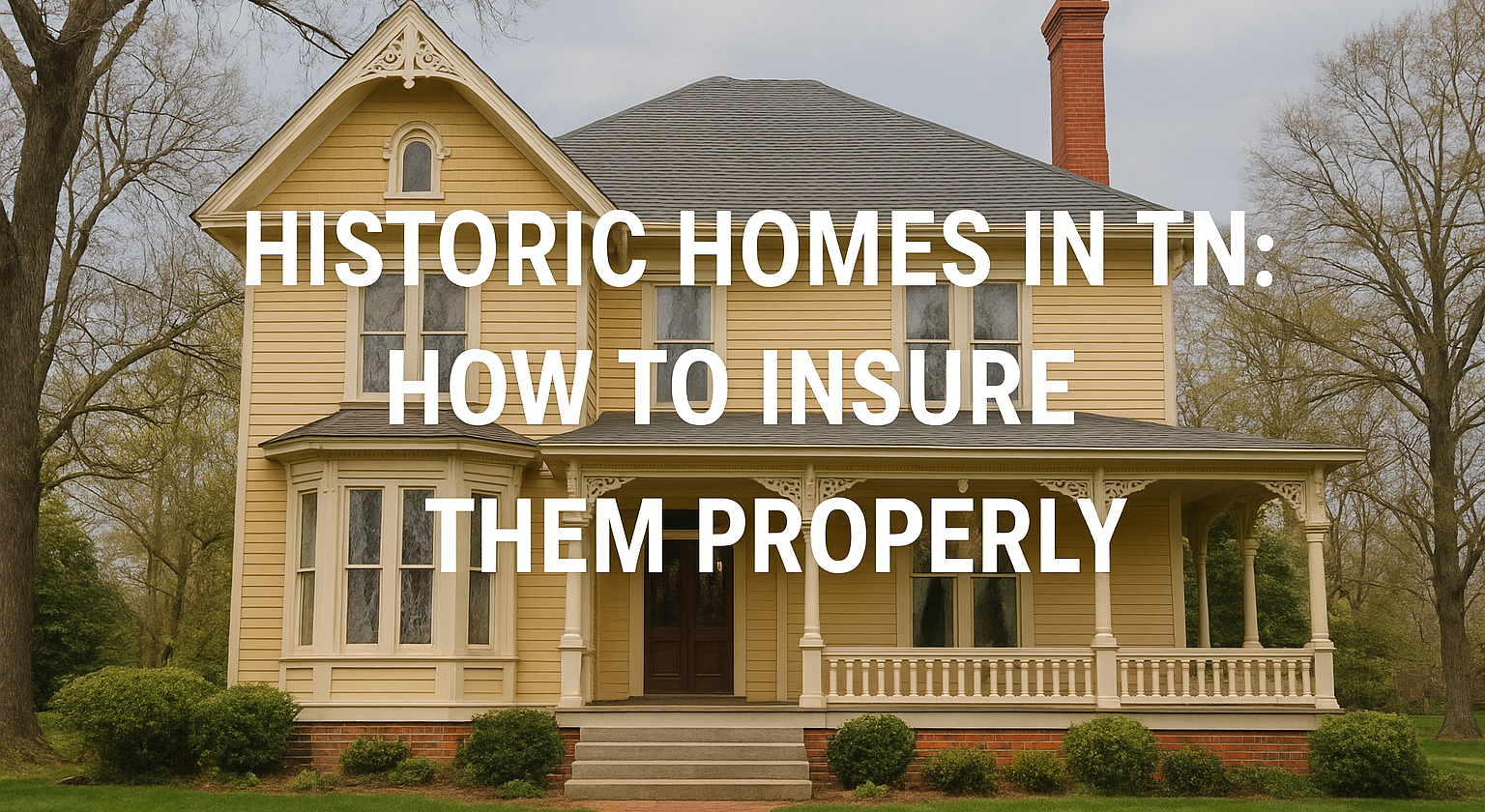
Owning a historic home in Tennessee is like owning a piece of living history. From the antebellum estates in Franklin and the stately Victorians in Chattanooga to the charming Craftsman bungalows in Nashville, these homes carry more than just beauty—they carry stories, craftsmanship, and heritage that can’t be replaced.
But with all that charm comes a unique challenge: making sure your historic home is properly insured. Standard homeowners policies often fall short when it comes to the unique risks and costs associated with older properties. Whether you already own a historic home or are thinking about buying one, understanding how to protect it is essential.
What Counts as a Historic Home in Tennessee?
In general, a home is considered historic if it’s listed on the National Register of Historic Places, part of a recognized historic district, or simply meets certain age and architectural significance criteria (usually at least 50 years old).
Tennessee is rich in historic properties—from the log cabins of early settlers to the grand Victorian homes that line small-town streets. Many of these homes feature materials and craftsmanship that are difficult (and expensive) to replicate today, such as hand-carved woodwork, plaster walls, or antique glass windows.
Because of these unique details, rebuilding or repairing a historic home after a loss can be far more costly than a typical modern house—and that’s exactly where specialized insurance coverage comes in.
The Problem with Standard Homeowners Insurance
Many homeowners assume their standard policy will automatically cover a historic home the same way it covers a newer one. Unfortunately, that’s not the case.
Typical homeowners insurance is designed to cover the cost of replacing modern materials and construction methods. If your home features original hardwood floors from the 1800s or period-specific millwork, your insurer might only cover the cost of modern equivalents, not historic restoration.
In other words, you could end up with something that looks similar—but not something that preserves your home’s authenticity or value.
Here are a few examples of what could go wrong with standard coverage:
- A claim payout based on actual cash value rather than full restoration cost.
- Repairs made with modern materials (like drywall instead of plaster).
- Lack of coverage for custom craftsmanship or unique architectural details.
- Limited coverage for code upgrades required during restoration.
That’s why it’s important to work with an insurance provider who understands historic properties and can tailor your coverage to their specific needs.
Types of Coverage You Should Consider
When insuring a historic home in Tennessee, you’ll want more than just a basic policy.
Key coverage types to look for or discuss with your agent:
1. Guaranteed Replacement Cost
This is one of the most important features for a historic home. Unlike standard replacement cost (which caps your payout at a set limit), guaranteed replacement cost ensures that your insurer will pay whatever it takes to restore your home, even if it exceeds the policy’s coverage limit.
This means if materials, labor, or craftsmanship costs skyrocket during the rebuilding process, you won’t be left paying the difference.
2. Ordinance or Law Coverage
Historic homes often don’t meet current building codes, and after a loss, local ordinances may require you to upgrade plumbing, wiring, or structure to meet today’s standards.
Ordinance or law coverage helps cover the additional cost of those mandatory updates—costs that a standard policy may exclude.
3. Extended Dwelling Coverage
This adds an extra percentage (often 25–50%) to your dwelling limit to help cover cost overruns during repairs or rebuilding. It’s an added layer of protection that’s especially valuable when restoration costs are unpredictable.
4. Restoration and Specialized Craftsmanship Coverage
Some insurers offer endorsements specifically designed for historic or high-value homes, covering things like:
- Custom millwork or stained glass
- Antique flooring or period tile
- Hand-forged hardware
- Historically accurate materials
This type of policy ensures your home can be restored using methods and materials consistent with its original construction—not just whatever is cheapest or most convenient.
5. Valuable Personal Property Coverage
Historic homes often contain antiques, heirlooms, or vintage décor. These items may exceed the limits of a standard personal property policy, so scheduling them separately (or adding a valuable items endorsement) can ensure they’re fully protected.
The Role of Historic Preservation Restrictions
If your home is in a historic district or registered as a landmark, there may be restrictions on how you can repair or alter it. This can complicate the claims process, as the restoration must meet certain guidelines set by local or state preservation boards.
A knowledgeable insurance agent can help you navigate this by ensuring your policy accounts for:
- Historic restoration requirements
- Permit and inspection costs
- Extended timelines for approval and repairs
Failing to plan for these restrictions could mean significant out-of-pocket costs or long delays in getting your home back to its original condition.
Tips for Insuring and Protecting Your Historic Home
1. Get a Professional Appraisal
Have your home appraised by someone who specializes in historic properties. This ensures the insurance coverage amount reflects the true restoration cost, not just the market value.
2. Document Everything
Keep detailed photos and videos of your home’s architectural details, interior finishes, and any valuable features. In the event of a loss, this documentation will be critical for your claim.
3. Regular Maintenance
Many insurance carriers expect proof that your home is well-maintained. Address issues like old wiring, roof leaks, or foundation problems proactively to prevent coverage disputes later.
4. Choose an Experienced Agent
Working with an agent familiar with historic homes in Tennessee can make a huge difference. They can help you find carriers that specialize in this niche and customize your policy to protect every unique feature of your property.
Tennessee’s Unique Challenges for Historic Homes
The Volunteer State’s climate and geography add extra risks that homeowners should keep in mind:
- Severe weather: Tornadoes, hail, and strong storms can cause roof and structural damage.
- Humidity: Moisture can deteriorate old wood and plaster, especially in homes with original materials.
- Aging infrastructure: Outdated plumbing or electrical systems can increase fire or water damage risks.
Your policy should reflect these regional factors, not just the age of the home.
Final Thoughts
A historic home isn’t just a place to live—it’s a legacy. And protecting that legacy means going beyond standard insurance coverage.
By working with an experienced agent, investing in the right coverage types, and staying proactive about maintenance and documentation, you can ensure that your home’s charm and history are preserved for generations to come.
If you own or are thinking about buying a historic home in Tennessee, take time to review your insurance policy carefully—or better yet, have a professional evaluate it with you. A few adjustments now can make all the difference later, ensuring that your home’s story continues no matter what the future holds.
Writen by Lance Chandler. Lisenced in TN & KY.